The Calico Indians
Anti-rent farmers resisted eviction in bright calico gowns and sheepskin masks — a rebellion in disguise, called to arms by tin horns across the valleys.

Andes, New York · Settled 1784
The ground under this farm was first broken the same year the town of Andes began. This is the long story of these hills.
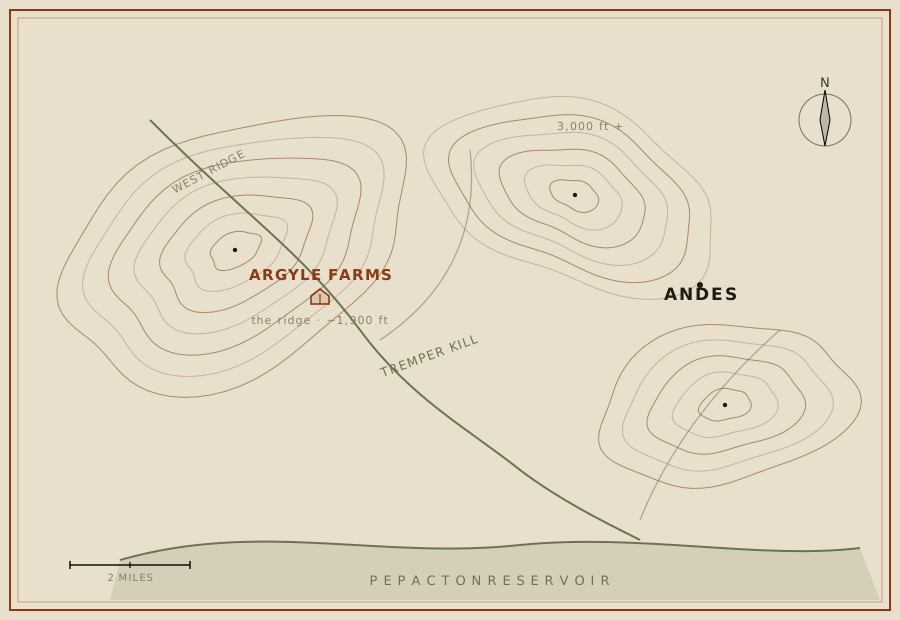
Argyle Farms lies on the hills above the hamlet of Andes, in the Western Catskills of Delaware County, New York — Tremperskill country, where the pastures fold steeply over the ridgelines and the winters are honest. The land was first settled in 1784, the year permanent settlers returned to Andes after the Revolution. That date rides at the top of our crest not as a company's birthday, but as the age of the ground itself.
What works this land now carries that long agricultural life forward. We raise Belted Galloway and white-faced Hereford cattle, Cheviot sheep off the Scottish highlands, Boer goats, heritage hogs, laying hens and a covey of pheasants — the animals on the crest are the animals in the fields. From them come grass-fed beef and lamb, heritage pork, farm eggs, wildflower honey, and hundred-percent virgin-wool blankets carded from our own flock.
The town below the farm
Settlement began in 1784; an earlier attempt around 1770 had been abandoned during the war. Families of Dutch, Scottish and German stock cleared the hardwood ridges, and in 1819 the town was formally erected out of neighbouring Middletown. Its name was a joke that stuck — seeing that the new town held some of the steepest ground in the county, one Daniel H. Burr suggested it be named for the Andes mountains. All of it lay inside the vast Hardenbergh Patent, a colonial land grant that let a handful of proprietors collect rent from the farmers who did the work. Within a lifetime, that arrangement would boil over.
August 7, 1845 · Dingle Hill
When Under-Sheriff Osman N. Steele rode up Dingle Hill to seize a tenant's cattle over sixty-four dollars of back rent, some two hundred farmers were waiting — disguised in calico gowns and sheepskin masks, faces painted red and black, summoned by a network of tin dinner horns. What happened there helped end two centuries of feudal landholding in New York.
“Lead cannot penetrate Steele.”Osman N. Steele, at the Hunting Tavern in Andes — hours before he was shot dead
Tenant farmers across the Catskills refuse to pay rent to the patent landlords, organizing in calico disguise as the “Calico Indians.”
At the Moses Earle farm on Dingle Hill, just south of Andes, Under-Sheriff Steele is shot during an attempted livestock auction and dies that day.
Governor Silas Wright declares Delaware County in a state of insurrection; some 248 people are detained and tried at Delhi.
Governor John Young pardons eighteen anti-rent prisoners. The revolt breaks the landlords: the 1846 state constitution abolishes feudal tenures and outlaws farm leases longer than twelve years.
Below the water line
The Tremper Kill that drains these pastures runs south into the Pepacton Reservoir, the largest body of water in New York City's supply. It was not always there. In 1955, the East Branch of the Delaware was dammed and four Catskill hamlets — Arena, Pepacton, Shavertown and Union Grove, the last two within the Town of Andes — were emptied and flooded. Houses were hauled off on trailers and 2,371 graves were moved to higher ground. On a still day the reservoir supplies roughly a quarter of the drinking water of a city over a hundred miles away, over the bones of the villages beneath it.
From the county almanac
Anti-rent farmers resisted eviction in bright calico gowns and sheepskin masks — a rebellion in disguise, called to arms by tin horns across the valleys.
From the 1920s to about 1950, Delaware County grew what was widely called the finest cauliflower in America, shipped by rail to New York, Philadelphia and Boston.
The 19th-century Catskills ran on leather — as many as sixty-four tanneries and millions of hemlocks felled for their bark. Farmers earned spring cash peeling tanbark.
Blue-grey Catskill bluestone, quarried across the region from the 1830s, paved sidewalks as far away as San Francisco.
The farm, in every season
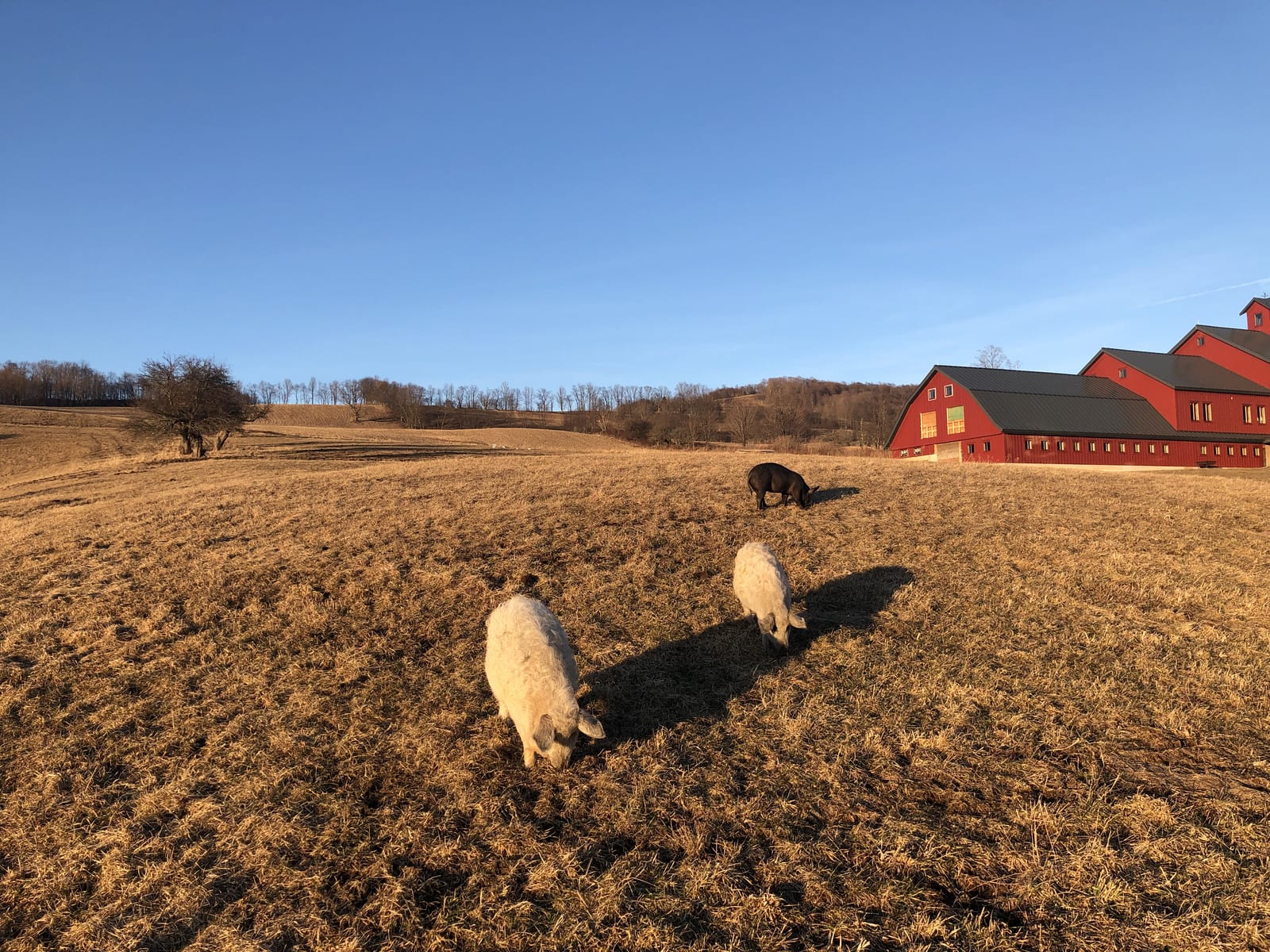
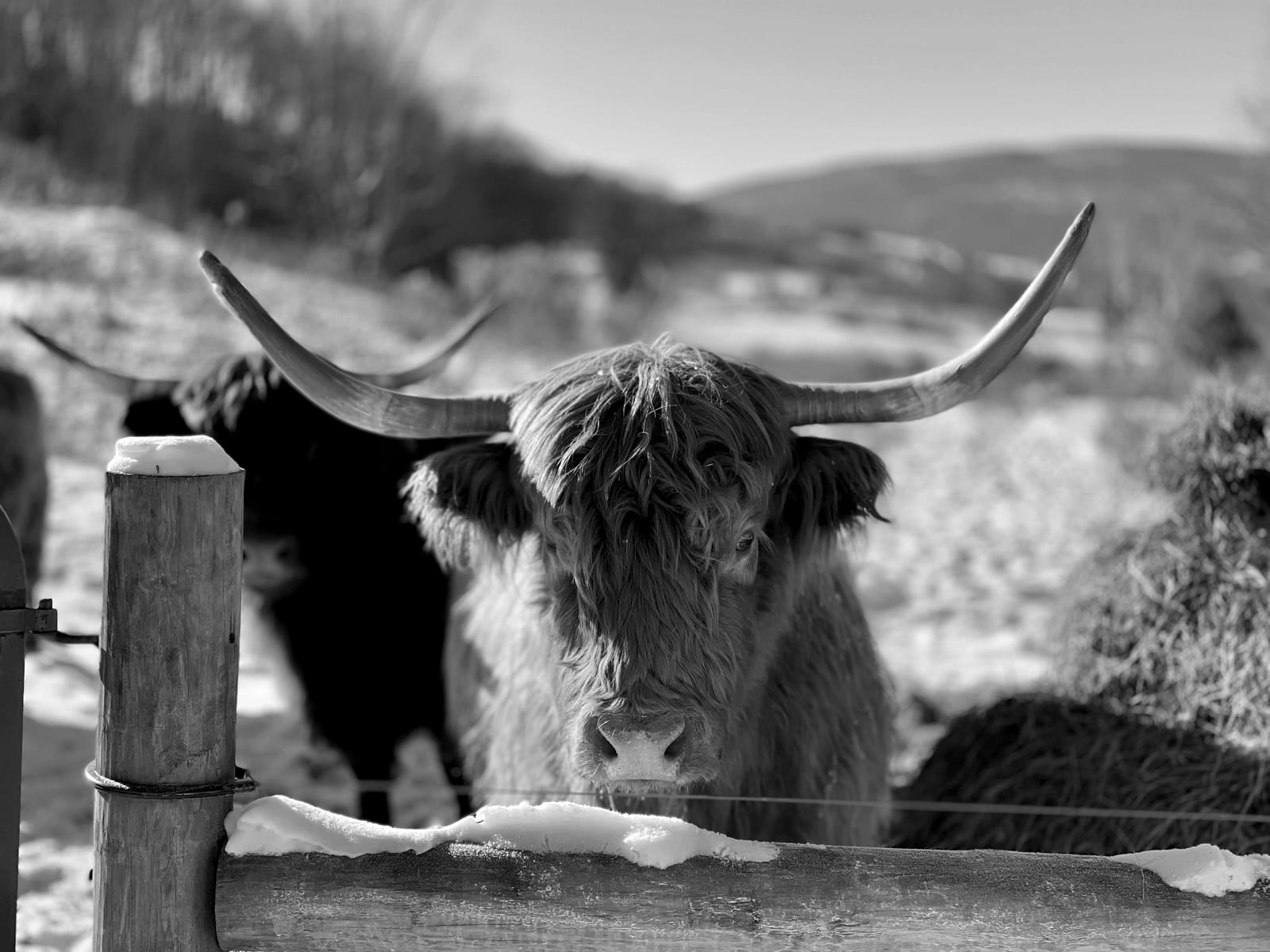
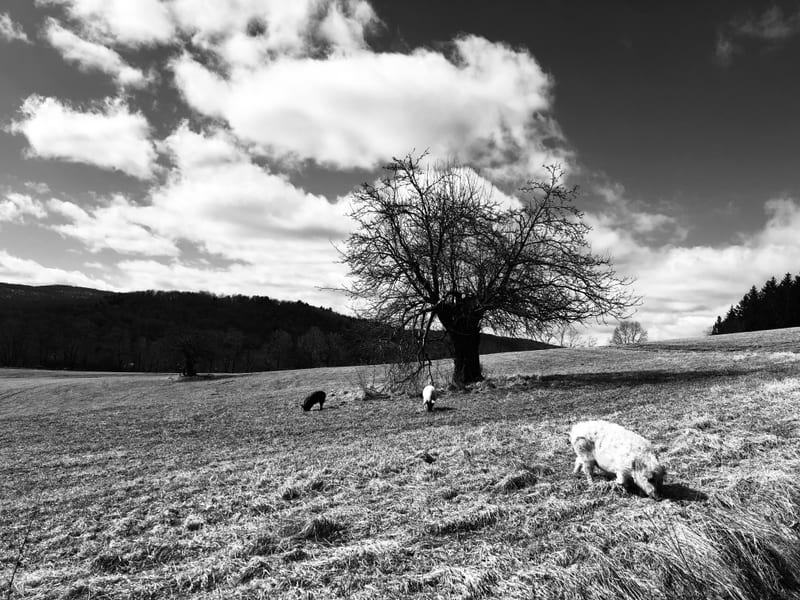
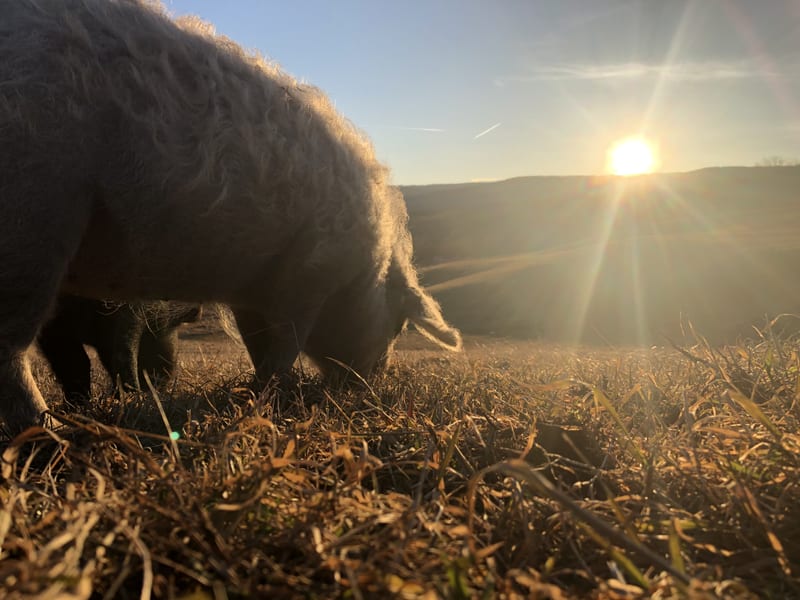
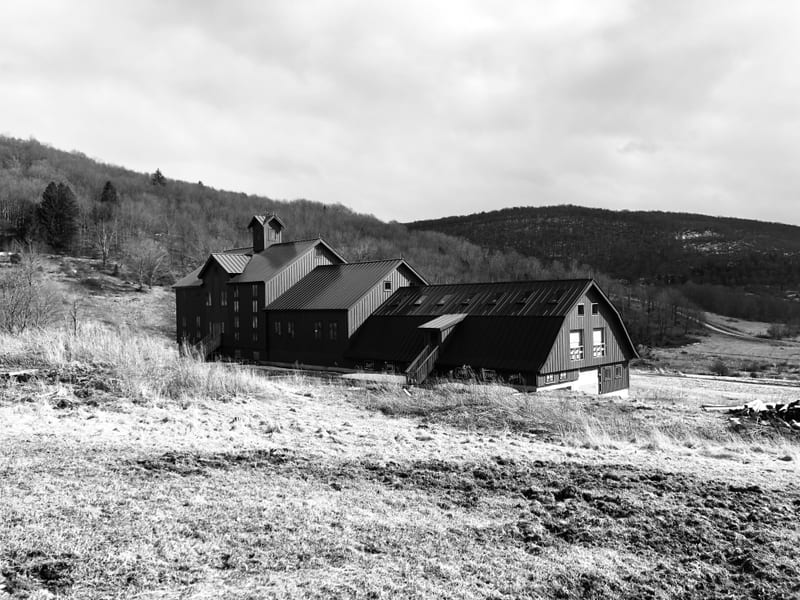
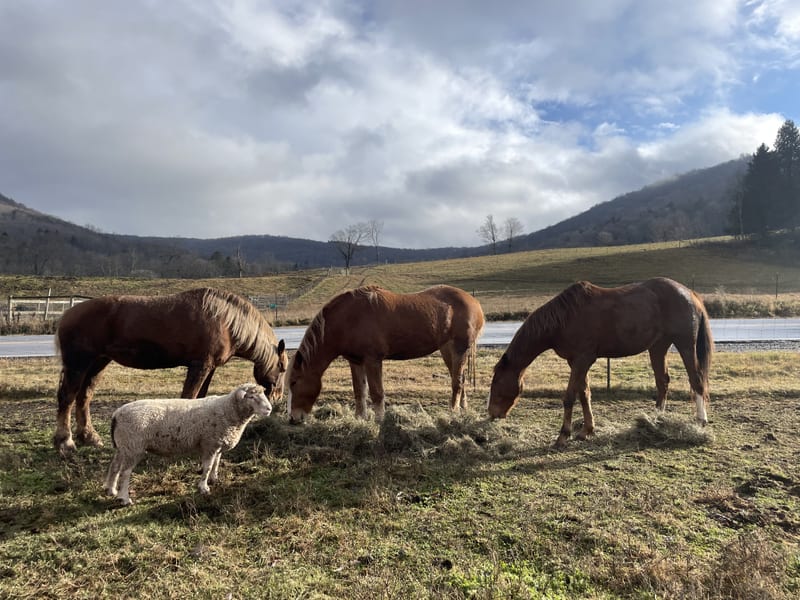
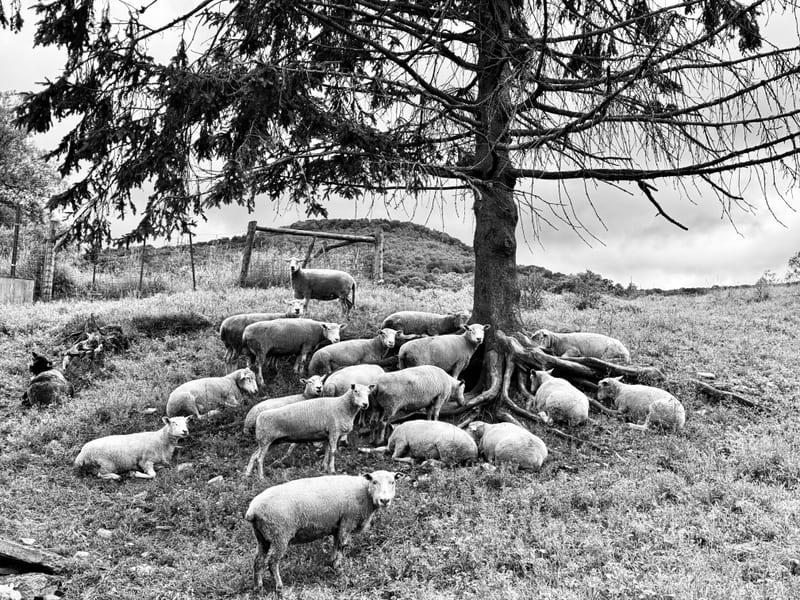
Colour and black & white — the farm through the seasons, above the town of Andes.